
What a Day Without Water Would Mean for Milwaukie |
An October 15 observance puts everyday water habits and Kellogg Creek wastewater treatment in focus |
You turn the handle, and there it is.
Water for the coffee, the shower, the breakfast dishes.
Then the sink empties, and your attention moves on to the rest of the morning.
But the water has another appointment.
That is a useful way into Imagine a Day Without Water on October 15: follow something familiar a little farther than you usually do.
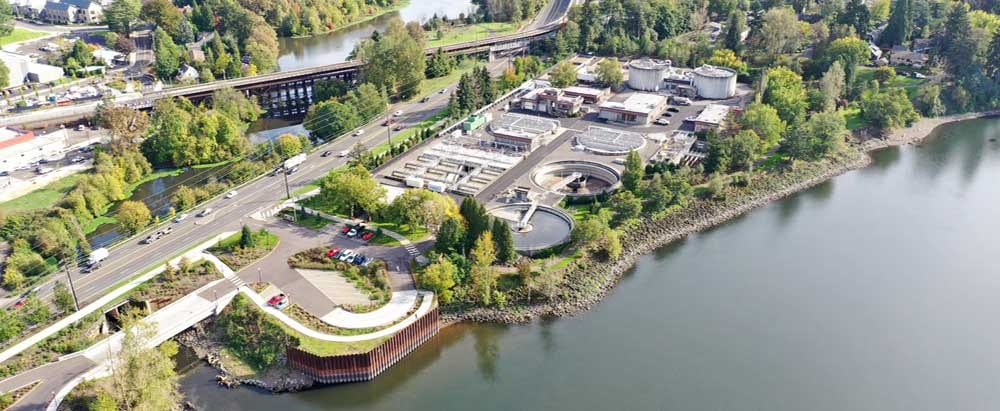
Here in Milwaukie, part of that journey leads to Kellogg Creek Water Resource Recovery Facility, beside the Willamette River.
It opened in 1974.
Today, it treats nearly seven million gallons of wastewater each day from WES customers in Milwaukie, Happy Valley, Johnson City and nearby unincorporated communities.
That is a great deal of ordinary life passing through one place.
The interesting part is what happens next.
First come screens, which catch larger debris, and a grit-removal stage, where heavier material settles out.
Further settling removes more solids before the water reaches the biological treatment process.
And here the work gets smaller than anything you can see from a passing car.
Naturally occurring microorganisms help break down the pollutants left in the water.
The process continues through additional settling and ultraviolet disinfection before the treated water returns to the Willamette River.
Solids take another route, through a digestion process that supports energy and resource recovery.
A facility doing this work needs more than a good design on opening day.
Pipes, pumps and electrical systems age, and Kellogg Creek’s improvements have included replacing equipment and covering aeration basins to reduce odors.
The machinery changes; the everyday responsibility continues.
Now, a distinction worth keeping clear.
Kellogg Creek treats wastewater; supplying drinking water to your tap is a different service.
Both belong in a conversation about reliable water, but they do different jobs.
Knowing which provider handles each one makes it easier to direct a question about service, a bill or a proposed project.
It also makes October 15 more useful than a date to glance at and forget.
Water Environment Services offers a straightforward place to start: flush only human waste and toilet paper.
Wipes and paper towels belong elsewhere, because materials that go down a toilet can contribute to backups and overflows.
Out on the street, another small decision has a similar reach.
Litter left on the ground can wash into storm drains and waterways.
Out of sight is not the end of the journey.
That is something a household can act on today, without waiting for a meeting or a major construction project.
A bathroom trash bin, a conversation with children about what belongs in a toilet, a piece of litter picked up before the rain: each connects a familiar habit with the water beyond our own front door.
There is a place for bigger questions, too.
When infrastructure work comes before the community, ask what problem it solves and which service it supports.
A drinking-water project, wastewater improvements and stormwater work may share a word while addressing different needs.
Clear questions help keep those responsibilities understandable.
So, when October 15 arrives, think back to that morning cup of coffee.
The water reaching your kitchen is one part of the story.
The work that carries on after it leaves deserves a little of our attention, too. |
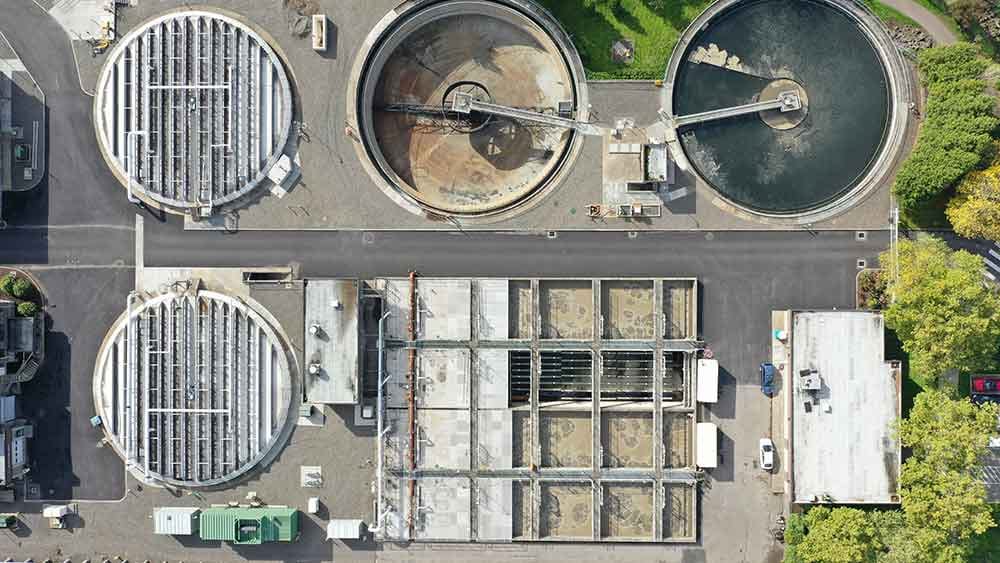 Treatment infrastructure at Kellogg Creek. Image: Clackamas Water Environment Services. |
Sources and further reading Clackamas County: October 15 observance WES: Kellogg Creek facility and treatment Kellogg Creek Water Resource Recovery Facility beside the Willamette River. Image: Clackamas Water Environment Services. |
0 Comments
Join the conversation
Be the first to comment
Share your thoughts above.